P/N 2455038-2: Cutlass Engine Baffle Replacement
P/N 2455038-2: Cutlass Engine Baffle Replacement
Blog Article
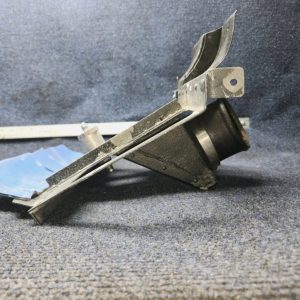
The Cessna 172RG Rear RH Baffle Assembly
The Cessna 172RG Rear Right-Hand Baffle and Cessna 172RG Engine Baffle terms describe related engine-compartment structures, while the exact Cessna 172RG Cooling Baffle should remain identified by P/N 2455038-2.
The Cessna Cutlass Engine Baffle and Aircraft Engine Baffle Assembly keywords help qualified buyers locate relevant replacement parts.
A Cessna Engine Cooling Baffle, Cessna 172RG Engine Compartment Parts package, Aircraft Cooling Air Baffle, and Cessna 172RG Airflow Baffle contribute to controlling how cooling air moves around the installed engine.
The Cessna Aircraft Engine Baffle may provide replacement value when its geometry, mounting points, seals, and material condition remain suitable.
Identifying the Cessna 172RG Rear RH Baffle
A component should not be accepted as P/N 2455038-2 solely because it appears read more to fit the rear right-hand engine area.
Informal cross-references should not replace current parts information or approved technical data.
Cessna 172RG Engine Temperature Management
It works with adjacent metal baffles, flexible seals, cowling surfaces, fasteners, brackets, and engine components to form a coordinated cooling system.
Cooling performance depends on proper pressure differences, sealed boundaries, suitable airflow paths, and accurate baffle positioning.
Choosing the Correct Cessna Engine Baffle
A rear right-hand baffle should not be advertised as suitable for every Cessna 172 model merely because the aircraft share a related airframe family.
A component that fits one aircraft approximately may still interfere with another installation.
Cessna Baffle Flanges and Brackets
The exact material, thickness, temper, finish, and construction should be confirmed through applicable technical information when required.
The baffle should be supported correctly during storage and shipment to prevent bending.
Engine Baffle Condition Evaluation
Areas near fasteners and vibration-prone attachment points deserve particular attention.
Unusual waviness or twisted geometry should be measured rather than dismissed as cosmetic.
Baffle Seal Condition and Air Leakage
Old seals may be useful as templates even when they are unsuitable for continued service.
Excessively stiff or incorrectly positioned material can interfere with cowling installation or fail to seal properly.
Evaluating Corrosion on Cessna Baffles
The depth and area of corrosion should be evaluated using suitable maintenance procedures.
Responsible corrosion prevention supports long-term component value.
Maintaining Secure Baffle Connections
Fastener holes should be checked for elongation, cracking, burrs, corrosion, double drilling, fretting, and evidence of repeated removal.
The replacement assembly should align with surrounding parts without using fasteners to pull severely mismatched sections together.
Cessna 172RG Engine Compartment Parts
A missing bracket, damaged seal, or distorted neighboring panel can delay installation even when the primary baffle is available.
Damage can vary across components exposed to the same vibration, heat, accident, or storage environment.
Baffle-Related Temperature Problems
Unexpected engine temperatures should be investigated through a structured review of instrumentation, engine condition, airflow, baffles, seals, cowling, operation, and environmental factors.
Post-maintenance checks should confirm that the complete installation functions as intended.
Rear RH Baffle Replacement Versus Repair
Repair should not be selected only because it appears less expensive initially.
Repairs should preserve the intended contour, mounting locations, clearances, seal attachment, and airflow boundary.
Evaluating a Used Aircraft Cooling Baffle
A clean appearance can improve presentation but does not replace detailed inspection.
The listing should state whether the component is new, used, repaired, inspected, untested, serviceable, or offered for parts.
Inspecting the Baffle Before Purchase
The buyer should request enough information for qualified maintenance personnel to evaluate the component before purchase.
- Compare the baffle with applicable parts information, the removed component, surrounding panels, mounting locations, dimensions, brackets, seals, and cowling clearances.
- Do not treat clean paint, straight appearance, or donor-aircraft history as proof of current serviceability.
- Report freight damage, missing pieces, dimensional differences, undisclosed repairs, corrosion, or identification discrepancies promptly.
Aircraft Cooling Baffle Packaging
Professional packaging helps preserve the geometry of the Engine Cooling Baffle Assembly.
The storage area should remain clean, dry, secure, and protected from salt, chemicals, water leaks, impact, and temperature extremes.
Fitting P/N 2455038-2
Any mismatch should be investigated rather than corrected through uncontrolled force or modification.
Temporary fitting can help reveal alignment and clearance concerns before final attachment.
Ground-operation observations should be completed through suitable procedures without promising a specific temperature improvement.
Preventive Engine Baffle Maintenance
The assembly should receive attention after engine work, cowling damage, abnormal vibration, overheating indications, fluid leaks, or suspected impact.
Preventive maintenance protects both P/N 2455038-2 and surrounding Cessna 172RG Engine Compartment Parts.
Choosing the Cessna 172RG Rear RH Baffle Assembly
The Cessna 172RG Rear RH Baffle Assembly
Buyers should request current photographs, accurate measurements, transparent condition information, protective shipping, secure transaction terms, and qualified maintenance review.
Whether the component is purchased for scheduled maintenance, corrosion replacement, cooling-system repair, accident recovery, restoration, or spare-parts support, transparent information and professional oversight provide the strongest foundation.
With complete evaluation and continued care, the Cessna 172RG Rear RH Baffle Assembly
Report this page